

Is “Clean Beauty” Scientifically Backed? What the Research Says
The clean beauty movement promises safer, more effective skincare rooted in natural ingredients and ethical choices. But is a plant based cleanse more than a marketing trend? In this evidence-backed article, we uncover what science really says about clean skincare—so you can decide with confidence.
Understanding Clean Beauty: More Than a Buzzword
Clean beauty isn’t just a trend—it's a growing shift toward transparency, safety, and ethics in personal care. But with so many claims, how do you know what's real? As consumers become more conscious, they’re demanding evidence. Does a plant based cleanse actually improve skin health, or is it just a feel-good label?
Clean beauty prioritizes products that are free from harmful chemicals, often using plant-based alternatives that work with your body’s natural processes. Still, “natural” doesn’t always mean “effective”—and that’s where science comes in.

What Is a Plant Based Cleanse?
A plant based cleanse uses botanical ingredients to remove dirt, oil, and pollutants from the skin without harsh chemicals. These formulas rely on natural extracts and oils to purify, hydrate, and balance skin, making them ideal for sensitive or reactive skin types.
- Free from sulfates, parabens, and artificial fragrance
- Includes ingredients like chamomile, green tea, aloe, or jojoba
- Supports the skin’s microbiome and natural barrier
- Often cruelty-free and vegan-certified
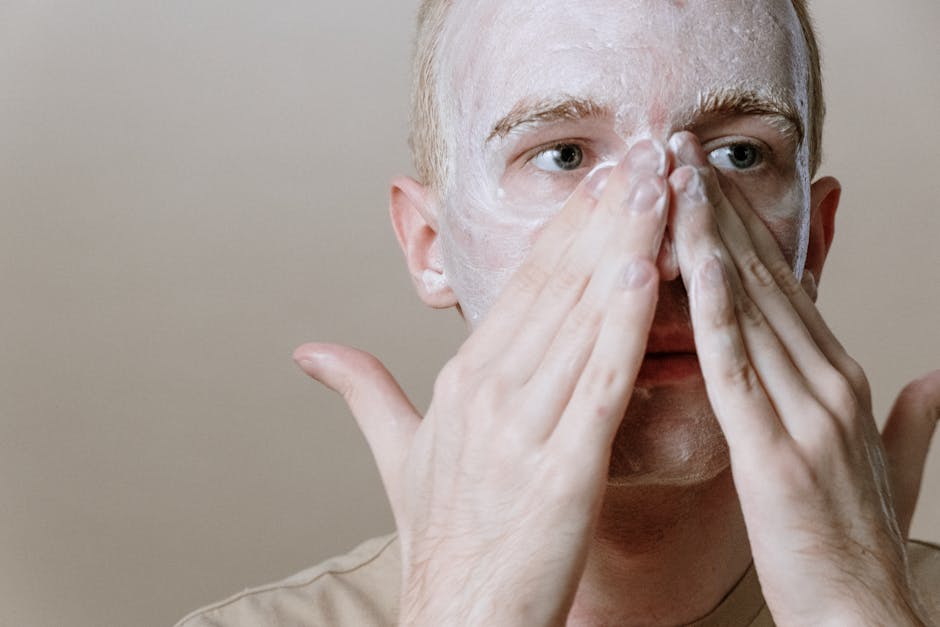
The Science Behind a Plant Based Cleanser
Research shows that many plant-derived compounds have real dermatological benefits. For example, green tea extract has proven anti-inflammatory and antioxidant properties. Licorice root brightens skin tone, while aloe vera soothes irritation. These ingredients don’t just “sound nice”—they're backed by peer-reviewed studies.
A 2022 study published in the *Journal of Cosmetic Dermatology* found that plant-based surfactants like decyl glucoside were less irritating than traditional cleansing agents. When formulated correctly, a plant based cleanser can be just as effective as synthetic alternatives, with fewer risks of allergic reactions or barrier disruption.

Natural vs. Chemical: What Your Skin Really Needs
One common misconception is that “chemical” equals “toxic.” In reality, everything—including water—is made of chemicals. The key is distinguishing harmful ingredients from helpful ones. So how do plant based cleansers compare?
| Aspect | Plant-Based Cleanser | Conventional Cleanser |
|---|---|---|
| Key Ingredients | Botanical extracts, natural oils | Synthetic surfactants, preservatives |
| Skin Sensitivity | Gentler, less irritating | Can trigger sensitivity or dryness |
| Environmental Impact | Biodegradable, eco-friendly | Often non-biodegradable |
| Animal Testing | Usually cruelty-free | Varies by brand and region |
Choosing a face cleanser with natural ingredients can help support both your health and the environment. Which style suits you best? Read on!
How to Choose a Face Cleanser with Natural Ingredients
With so many options, finding the right face cleanser made with natural ingredients can feel overwhelming. Here’s how to cut through the noise:
- Check the ingredient list: Look for plant oils (like jojoba or squalane), botanical extracts, and essential oils.
- Avoid harsh surfactants: Skip anything with SLS or SLES.
- Look for certifications: Cruelty-free, vegan, and USDA Organic labels add credibility.
- Consider your skin type: Oily skin may prefer foaming formulas, while dry skin benefits from cream or oil-based cleansers.

Best Cruelty Free Face Washes: Compared
Choosing the best cruelty free face wash means balancing performance, ethical sourcing, and skin compatibility. Below is a comparison of top-rated options.
| Brand | Key Ingredients | Skin Type | Certifications | Price Range |
|---|---|---|---|---|
| Youth to the People Superfood Cleanser | Kale, spinach, green tea | All | Vegan, Leaping Bunny | $$ |
| Herbivore Pink Cloud | Rose water, tremella mushroom | Dry/Sensitive | Vegan, Cruelty-Free | $$$ |
| Acure Brightening Cleanser | Pomegranate, acai | Normal/Combo | Vegan, USDA Organic | $ |
FAQs
Is a plant based cleanser effective for acne?
Yes. Many plant-based cleansers include anti-inflammatory and antibacterial ingredients like tea tree
Pillar Article: What Makes a Cleanser “Pure”? The Science Behind the Term
Other Related Articles:
Explore More:


0 Comments