
What Makes a Cleanser “Pure”? The Science Behind the Term
The term “pure” is everywhere in skincare marketing, but what does it actually mean when it comes to a purity facial cleanser? Is it about ingredients, processing methods, or a lack of synthetic additives? This in-depth guide explores the science, standards, and facts behind purity in cleansers—so you can make empowered choices for your skin.
Understanding Purity in Skincare
In skincare, “purity” often refers to the absence of harmful additives, synthetic fragrances, parabens, and harsh surfactants. However, the term isn’t regulated by the FDA, meaning brands can use it freely. For consumers, this creates confusion and makes ingredient literacy essential.
The Science of a Purity Facial Cleanser
Purity facial cleanser formulations focus on minimal, skin-friendly ingredients that effectively remove dirt and makeup without stripping natural oils. These cleansers often rely on plant-derived surfactants, gentle emulsifiers, and natural botanical extracts to balance efficacy with safety.
Featured Snippet (TOFU)
A purity facial cleanser is designed to clean skin using safe, minimal ingredients, often plant-based, without harsh chemicals. It maintains skin’s natural moisture while removing dirt and impurities.
- Free from synthetic fragrances
- Uses gentle, plant-derived surfactants
- Balanced pH to protect skin barrier
- Often contains antioxidant botanicals
Plant-Based Cleansers and Why They Matter
Plant based cleanser formulas are increasingly popular among ingredient-conscious consumers. They avoid animal-derived ingredients and focus on botanical oils, extracts, and enzymes to cleanse effectively. These not only reduce environmental impact but also offer skin-soothing benefits.
Ingredient Transparency: Reading Labels Like a Pro
When evaluating facial cleanser purity, ingredient order, source, and function matter. Ingredients are listed from highest to lowest concentration, so active botanicals should be higher on the list, while irritants or harsh detergents should be absent or minimal.
Comparison: Popular Purity Facial Cleansers
Below is a comparison of popular cleansers marketed as “pure” based on key attributes.
| Brand | Type | Key Ingredients | Vegan | pH Level |
|---|---|---|---|---|
| Brand A | Gel | Aloe vera, chamomile | Yes | 5.5 |
| Brand B | Cream | Green tea, glycerin | Yes | 6.0 |
| Philosophy Purity | Lotion | Meadowfoam seed oil, sage extract | No | 6.5 |
How to Use a Purity Facial Cleanser for Maximum Benefit
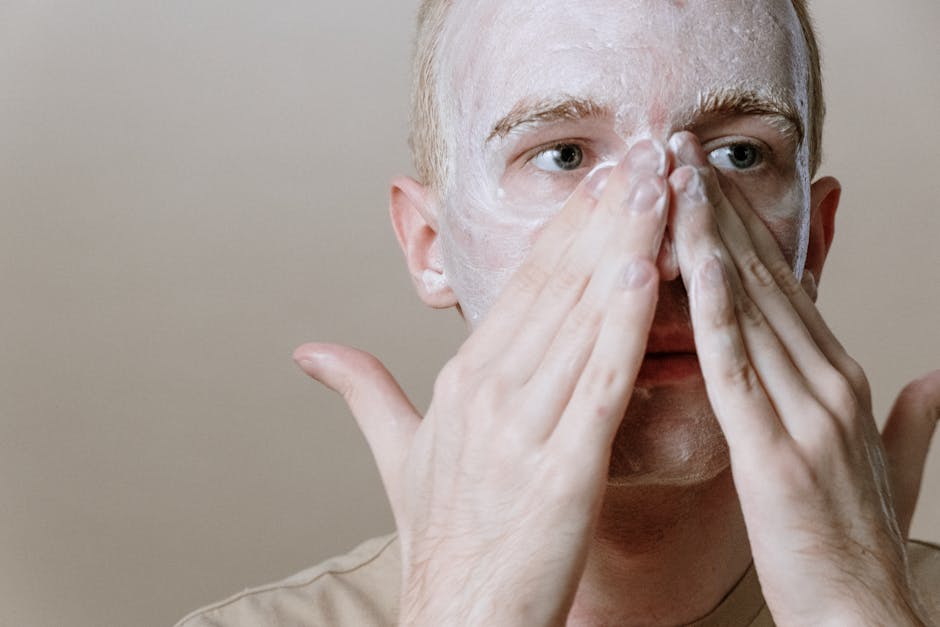
Purity facial cleanser works best when used with the right technique, ensuring skin is cleansed without over-drying.
Featured Snippet (MOFU)
Use a purity facial cleanser by applying to damp skin, massaging gently, and rinsing with lukewarm water. This maintains hydration while removing impurities.
- Wet your face with lukewarm water.
- Apply a small amount of cleanser to fingertips.
- Massage in gentle, circular motions.
- Rinse thoroughly and pat dry.
Philosophy Purity Facial Cleanser Reviews
According to aggregated philosophy purity facial cleanser reviews, the product is praised for its ability to remove makeup effectively without irritation, but some note it contains certain synthetic components.
Featured Snippet (BOFU)
Philosophy Purity facial cleanser stands out for its gentle yet effective formula, removing makeup and dirt without excessive dryness. Its popularity lies in its creamy texture and consistent performance.
| Pros | Cons |
|---|---|
| Effective at removing makeup | Contains some synthetic ingredients |
| Non-stripping formula | Not vegan |
| Suitable for sensitive skin | Higher price point |
FAQs
What is a purity facial cleanser?
A purity facial cleanser is a skin-cleansing product made with minimal, often plant-based ingredients, avoiding harsh chemicals to protect skin’s natural balance.
Is Philosophy Purity facial cleanser vegan?
No, Philosophy Purity facial cleanser is not vegan as it contains some animal-derived ingredients.
Can a plant based face cleanser work for oily skin?
Yes, a well-formulated plant based face cleanser can balance oil production without over-drying, making it suitable for oily skin types.
How can I check facial cleanser purity?
Check the ingredient list for minimal, recognizable ingredients, absence of synthetic fragrances, parabens, or sulfates, and confirm with third-party certifications if available.
Related Articles:
- Is “Clean Beauty” Scientifically Backed? What the Research Says
- How Plant-Based Cleansers Actually Work on Your Skin
Pillar Articles:


0 Comments