
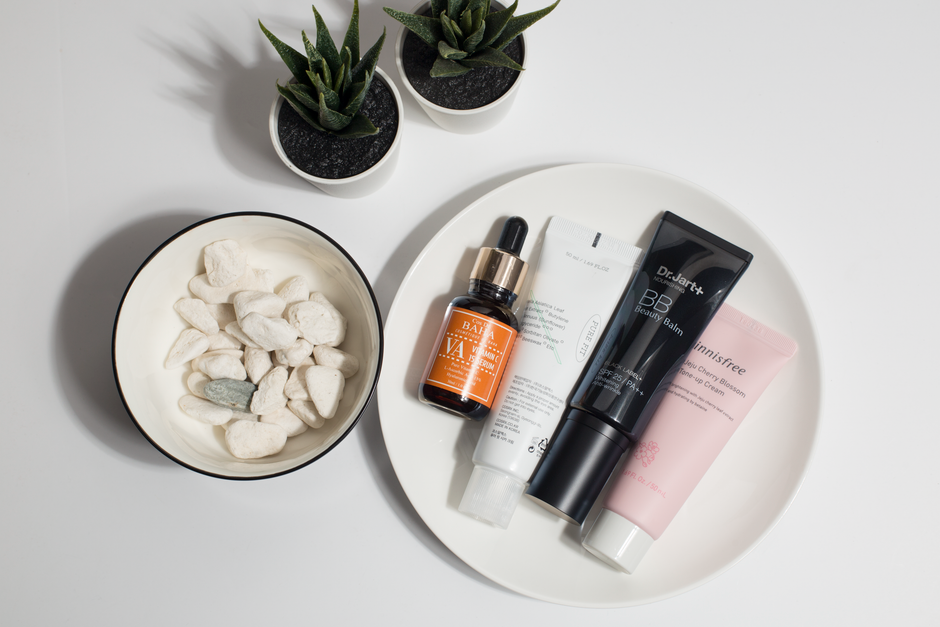
Vitamin C Serum Natural: Evidence-Based Benefits for Your Skin
Curious about whether a vitamin C serum natural can truly transform your skin? Backed by clinical research, natural vitamin C formulations offer visible radiance, firmness, and antioxidant protection—without synthetic additives. Let’s explore the proven science behind organic, pure, and all natural vitamin C serums, and how to integrate them into your skincare routine for long-term results.
Featured Snippet Q&A: What Are the Benefits of a Vitamin C Serum Natural?
A vitamin C serum natural brightens skin, supports collagen production, protects against free radicals, and reduces visible signs of aging. Derived from botanical sources, it delivers antioxidant power without harsh additives or irritants, promoting healthier and more radiant skin with consistent use.
- Boosts collagen synthesis for firmer texture
- Minimizes dark spots and hyperpigmentation
- Enhances antioxidant protection against UV stress
- Improves skin tone and hydration naturally
What Is a Vitamin C Serum Natural?
At its core, a vitamin C serum natural is a topical formulation using plant-derived or naturally stabilized ascorbic acid forms such as L-ascorbic acid, sodium ascorbyl phosphate, or magnesium ascorbyl phosphate. Unlike synthetic alternatives, these serums exclude parabens, artificial fragrances, and harsh preservatives.
Consumers today are drawn to organic vitamin C serums because they align with eco-conscious values and gentler formulations. These products often feature base ingredients like aloe vera, green tea extract, or rosehip oil, enhancing both skin nourishment and absorption.

Scientific Benefits of Natural Vitamin C Serum
Science supports the topical application of vitamin C for its antioxidant, collagen-boosting, and skin-brightening effects. In fact, clinical studies reveal that natural and pure vitamin C serums improve firmness and reduce oxidative damage caused by environmental aggressors.
1. Brightening and Radiance
Vitamin C inhibits the enzyme tyrosinase, responsible for melanin synthesis. This mechanism helps reduce dark spots, leading to a visibly more even skin tone.
2. Collagen Support and Firmness
As a cofactor in collagen synthesis, vitamin C strengthens connective tissue, resulting in firmer, more elastic skin. Over time, regular use of an all natural vitamin C serum can improve texture and diminish fine lines.
3. Antioxidant Defense
Vitamin C neutralizes free radicals generated by UV rays and pollution, preventing premature aging. This is especially valuable for users exposed to city environments.
4. Enhanced Moisture Retention
Natural serums often include hydrating agents like hyaluronic acid or fruit enzymes, enhancing skin hydration and barrier function for lasting suppleness.

How to Use a Pure Vitamin C Serum Effectively
Integrating a pure vitamin C serum into your skincare routine requires mindful application to maximize benefits and minimize oxidation.
- Cleanse thoroughly: Start with a gentle cleanser to remove impurities for optimal absorption.
- Apply serum: Use 3–5 drops of your vitamin C serum natural on damp skin, gently pressing it in.
- Seal with moisturizer: Follow with a lightweight, non-comedogenic moisturizer.
- Protect daily: Apply SPF every morning—vitamin C boosts sunscreen effectiveness.
Tip: Store your serum in a cool, dark place to maintain potency. Want to know which formulation fits your skin type best? Read on!
Organic vs. Synthetic Vitamin C Serums: A Quick Comparison
| Feature | Organic Vitamin C Serum | Synthetic Vitamin C Serum |
|---|---|---|
| Source | Plant-derived ingredients (citrus fruits, rosehip, acerola) | Laboratory-manufactured ascorbic acid |
| Formulation Additives | Free from parabens, sulfates, silicones | May include stabilizers and preservatives |
| Skin Compatibility | Gentle, suitable for sensitive skin | Can cause irritation for reactive skin types |
| Environmental Impact | Eco-friendly, cruelty-free | Higher carbon footprint |
Understanding Formulations: What Makes It “All Natural”?
An all natural vitamin C serum avoids synthetic fillers and instead uses plant-based stabilizers such as ferulic acid and vitamin E to preserve potency. Some brands use liposomal encapsulation, which enhances delivery and reduces oxidation, keeping the serum active longer.
When shopping, look for certifications like USDA Organic or Ecocert, and ingredient lists that include known botanical extracts. Avoid opaque claims such as “natural-inspired” without verifiable standards.

Safety, Stability, and Storage Tips
Because vitamin C oxidizes easily, product integrity is vital. Store your organic vitamin C serum in opaque, air-tight bottles. Discard if the color darkens significantly—this indicates oxidation and reduced efficacy.
- Use within 3–6 months after opening.
- Keep away from direct sunlight or humidity.
- Apply morning or evening, not both, to prevent overstimulation.
- Patch test before full use to avoid sensitivity.
FAQs
Is a vitamin C serum natural as effective as synthetic formulas?
Yes, when properly stabilized, a natural vitamin C serum delivers equivalent antioxidant and brightening effects, often with fewer irritants.
Can I use a pure vitamin C serum daily?
Most users can apply it once daily in the morning. Sensitive skin types may prefer every other day to adjust gradually.
What skin types benefit most from an organic vitamin C serum?
All skin types can benefit, but organic formulations particularly suit sensitive, dry, or environmentally stressed skin.
Does an all natural vitamin C serum expire faster?
Natural formulas may have a shorter shelf life, typically six months after opening. Store in a cool, dark area to prolong freshness.
Pillar Article: Brightening Serum Vitamin C: How It Works at a Cellular Level
Other Related Articles:
Explore More:


0 Comments